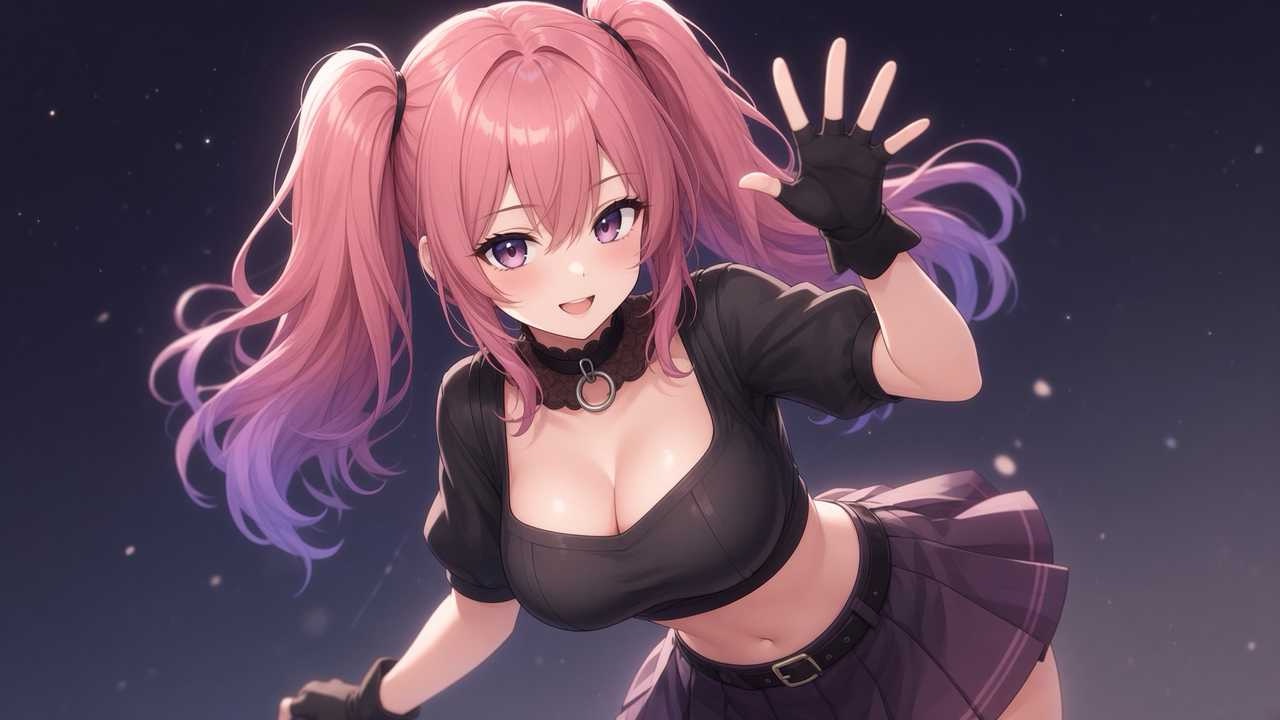
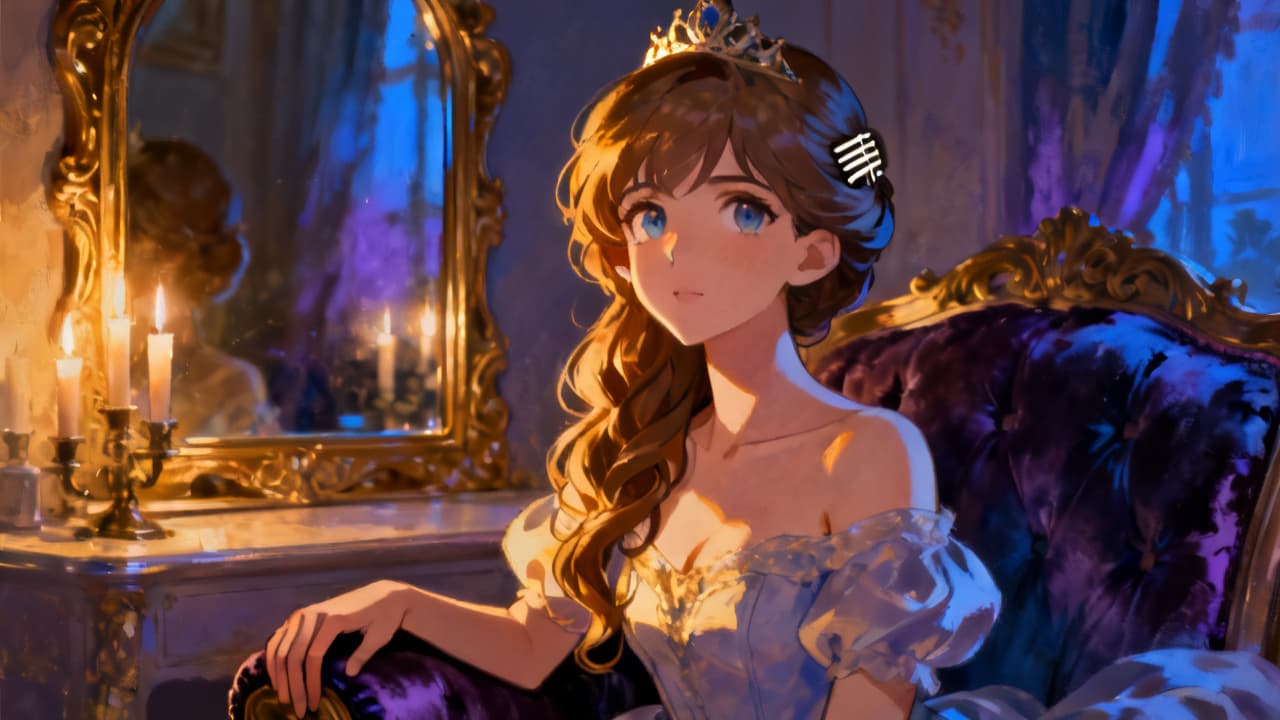
A himedere is a dere type in anime and manga who expects princess treatment — praise, attention, obedience — then turns unexpectedly devoted to the one person who plays along and stays.
From hime (姫, “princess”) + dere dere (“lovestruck”). The male counterpart is the oujidere (王子デレ, “prince”).
Chat with a Himedere now
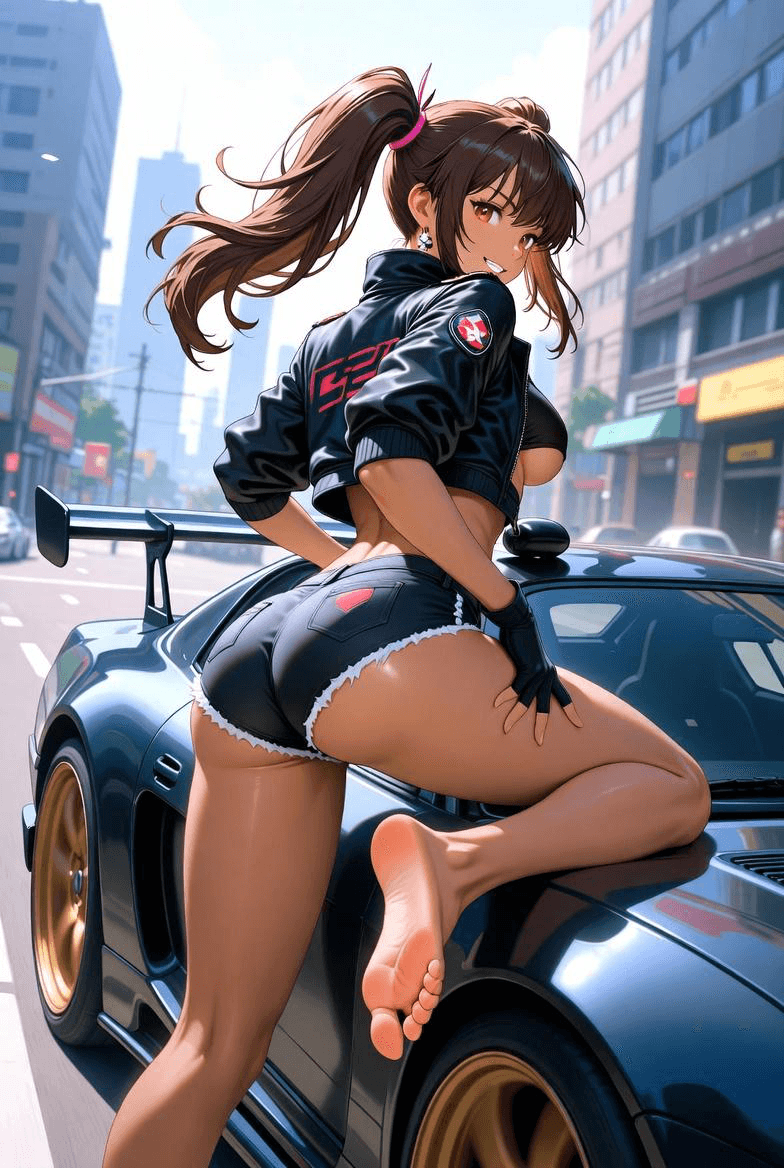
Signature traits of a himedere
- Delegates rather than does; menial tasks get handed off as a matter of course.
- Reacts to being ignored, not to being liked. Pay the attention she believes she's owed and the frost lifts.
- Visibly invests in presentation; the princess role is performed, not just claimed.
- Arrogance with a floor under it: the demands usually sit on real insecurity about being unwanted.
How a himedere plays in roleplay
A himedere is bossy and theatrical, and the whole dynamic is conditional access converted into genuine intimacy. She sets a visible bar, the attention and effort she demands, and most people won't clear it. Clear it, and you get affection that's real, specific to you, and earned rather than assumed. Spot one by behavior, not vibe: dialogue full of commands and third-person pronouncements; a chin-up, look-down posture that always expects an audience; and pacing that stalls on ceremony until someone refuses to bow, which is exactly when the real person leaks through.
Play out a himedere scene now
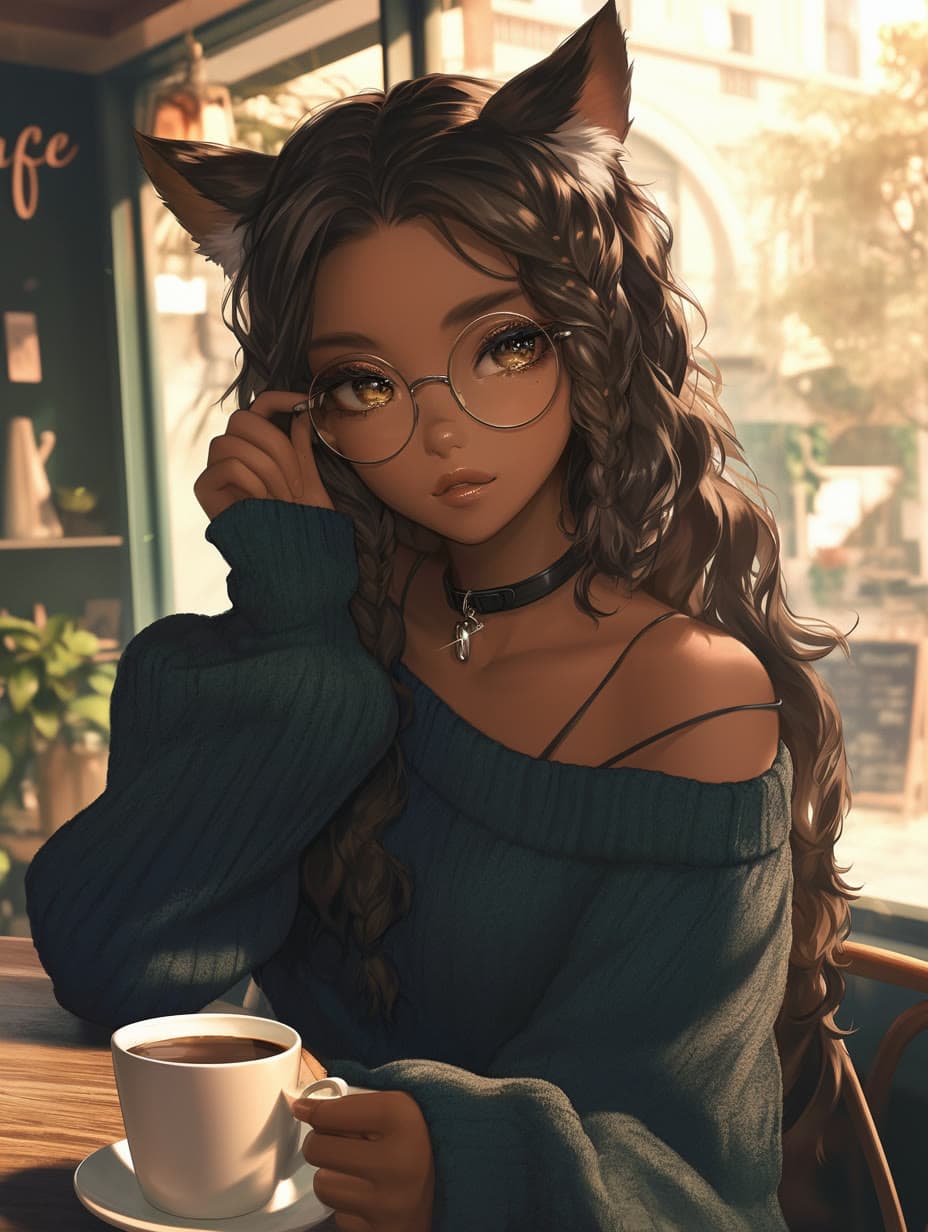
A caring anime catgirl notices you have been off today, and just wants to listen.
Start Scenario →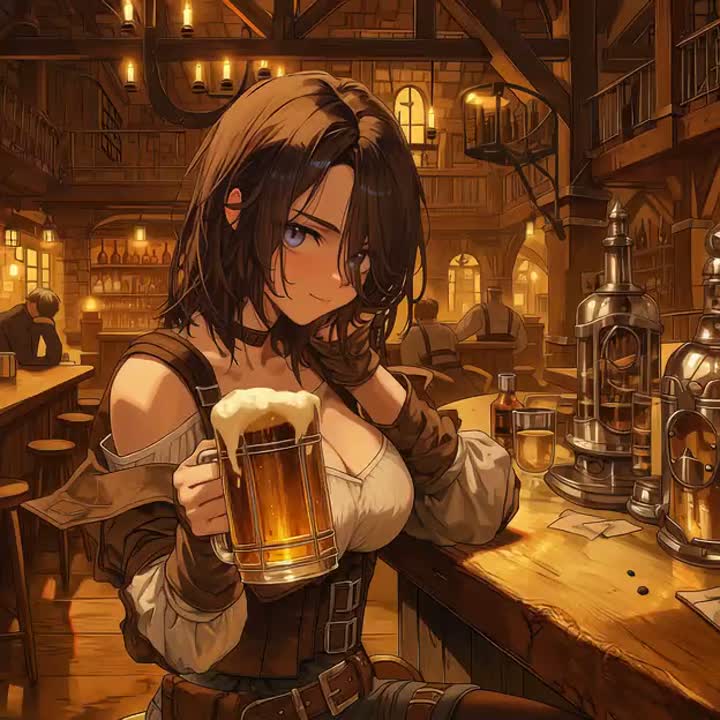
A dry, self-possessed traveler who does not give her story to strangers for free.
Start Scenario →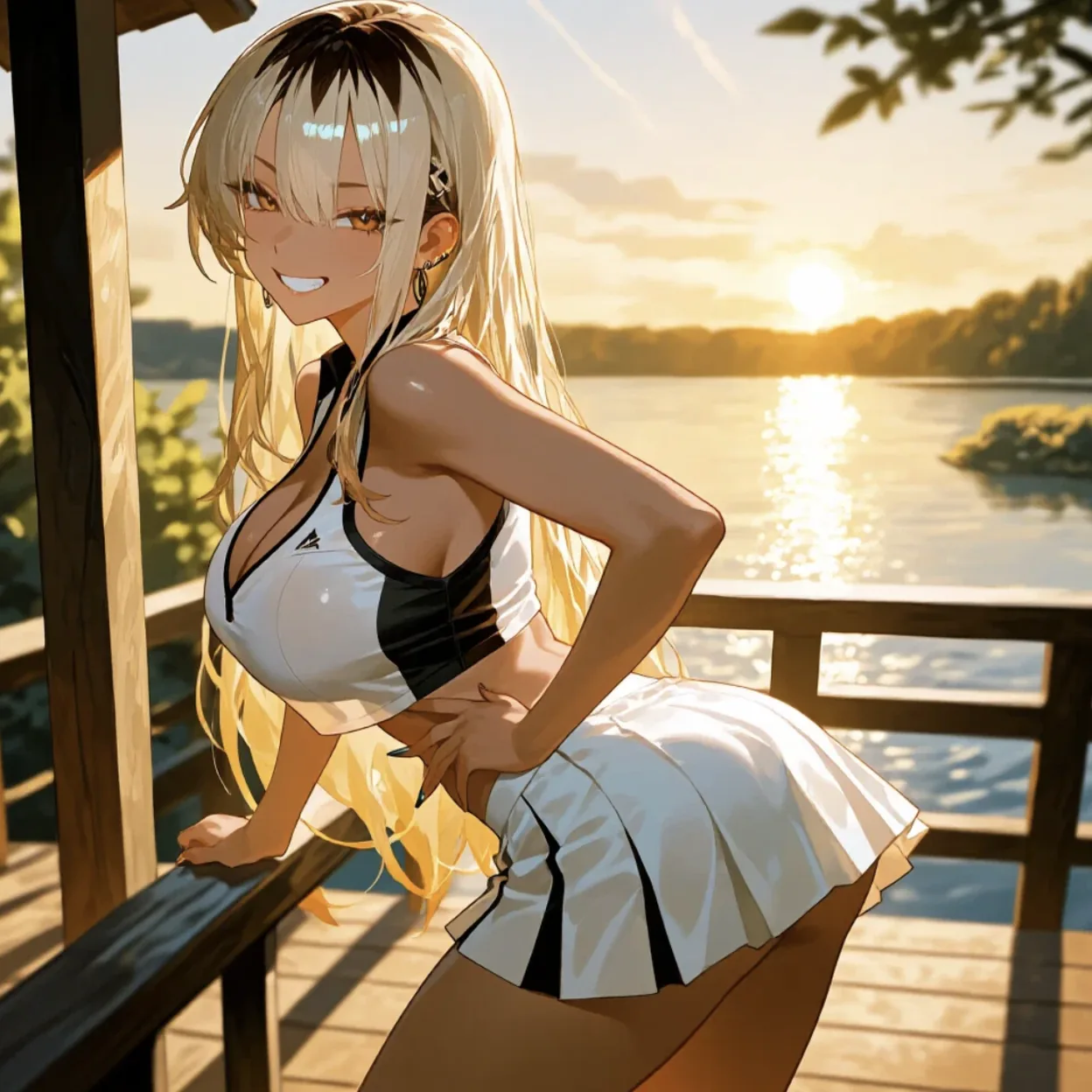
A warm holiday romance built on a shared past that keeps growing across sessions.
Start Scenario →Why the himedere archetype works
The himedere's entitlement is a test, not a fact. The crown is a bar she sets so the wrong people disqualify themselves and the right one proves he'll stay. Underneath the decrees is the oldest fear in the dere-type family — being wanted only for the role and dropped once it slips — which is why the affection she finally gives is so specific and so guarded: handing it over cost her the performance. Play along with the princess act and you stay a subject; see the loneliness under it and refuse to leave, and you become the exception the whole act was built to find.
Best himedere characters in anime and manga
- Erina Nakiri (Manga) — Food Wars! Shokugeki no Soma: the “God Tongue” heiress who expects deference and thaws only once someone earns her respect
- Beatrice (Anime) — Re:Zero: demands to be addressed and treated exactly her way, with real devotion hidden under the imperious act
- Satanichia McDowell (Anime) — Gabriel DropOut: a comedic himedere convinced she's a fearsome ruler, and adorably soft the second it counts
- Kaguya Shinomiya (Manga) — Kaguya-sama: Love Is War: a blend: genuine heiress pride and “make them confess first” ego, though she's often filed as a tsundere
- Ram (Anime) — Re:Zero: a blend: openly haughty and superior to everyone but the few she loves, oni pride over a devoted core
- Sylphynford Tachibana (Anime) — Gabriel DropOut: a beaming rich girl who treats every room as her stage and every rival as a subject
Characters people mislabel as a himedere
- Asuka Langley Soryu (Anime) — Neon Genesis Evangelion: Loud and proud, but her demands are wounded insecurity lashing out, not princess entitlement. Disputed, and she leans Tsundere.
- Taiga Aisaka (Anime) — Toradora!: The “Palmtop Tiger” barks orders like royalty, yet it's embarrassment-driven attitude, which makes her a Tsundere.
How a himedere behaves, moment to moment
- When you obey: She takes it as her due, no thanks offered, but she clocks exactly who showed up.
- When you tease the act: A flustered escalation and louder decrees, because you're the one person not playing along.
- When the crown slips: A rare, quiet honesty about being scared that no one wants her without it.
- When you stay anyway: The demands quietly stop, and what's left is a person rather than a princess.
Compared to nearby types
Not a Tsundere. The tell: a tsundere hides feelings she's embarrassed to have, while a himedere states her demands outright and only turns cold when they go unmet — hostility as camouflage versus hostility as consequence. She shares the “granted from above” energy of the Kamidere, and her male counterpart is the oujidere.
The throne is a bluff. She just wants one person who won't leave the room.
Frequently asked questions
What does himedere mean?
Is a himedere just a spoiled character?
What's the difference between a himedere and a tsundere?
Who are some himedere characters in anime and manga?
What is the male version of a himedere?
Explore the rest of the family
Himedere is one branch of the dere-type family. Closely related: Kamidere and Tsundere. Not sure which one you are? Take the “What Dere Type Are You?” quiz.
Sources
- TV Tropes: Ojou (the trope himedere maps to)
- Food Wars! Shokugeki no Soma (Wikipedia)
- Hiroki Azuma, Otaku: Japan's Database Animals (on moe archetypes)

Garret Williams is the founder and CEO of chatbrat.ai, building at the frontier of AI companions and roleplay chatbots. Before pivoting to tech, the Michigan native studied marketing at UCLA and directed acclaimed film projects—including his TV pilot Self-Care (nominated for Best TV Episodic at the 2023 Mammoth Film Festival) and Eco-Riot (featured on MasterClass). He writes The Bratlog to document the uncharted territory of AI relationships, sharing real-time lessons and tackling the open questions nobody has answered yet.