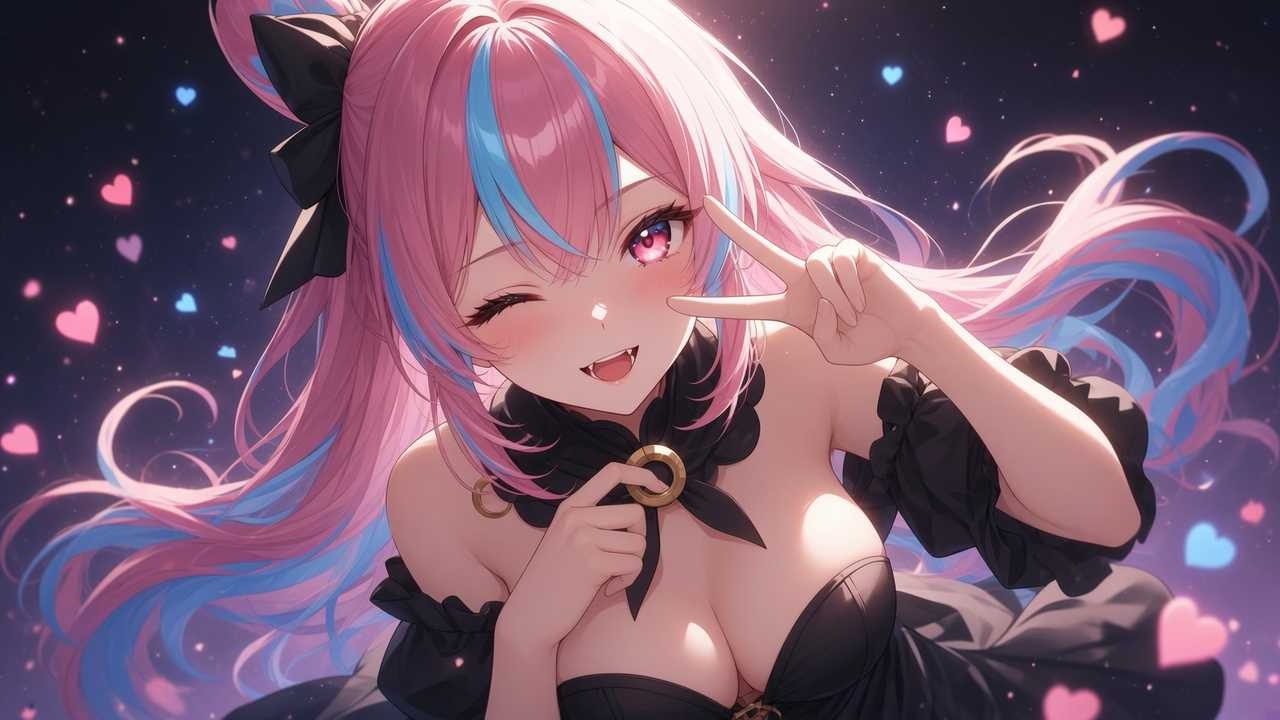
A tsundere is a dere type in anime and manga who acts cold, prickly and hostile on the surface, while hiding real affection they're too proud or too flustered to admit.
From tsun tsun (ツンツン, “curt, standoffish”) + dere dere (デレデレ, “lovestruck”). The word broke into mainstream Japanese in the mid-2000s.
Chat with a Tsundere now

Signature traits of a tsundere
- Denies feelings the moment they're noticed, often too loudly to be believed.
- Uses hostility, insults or aloofness as armor over real fondness.
- Gets flustered and defensive when caught being kind.
- Softens in rare, deliberate beats that feel earned rather than given.
How a tsundere plays in roleplay
A tsundere is banter-first. Expect put-downs, denial and mock-annoyance up front, with warmth leaking through in small, involuntary moments: the accidental worry, the gift they insist means nothing. It's the definitive slow-burn, and the payoff is earning each crack in the armor, so it rewards players who push back playfully instead of folding. Spot one by the tells, not the vibe: dialogue that snaps to an insult the instant a soft feeling surfaces; a red face and a jerked-away glance; and pacing that spikes loud on contact, then goes quietly, deniably kind a beat later.
Play out a tsundere scene now
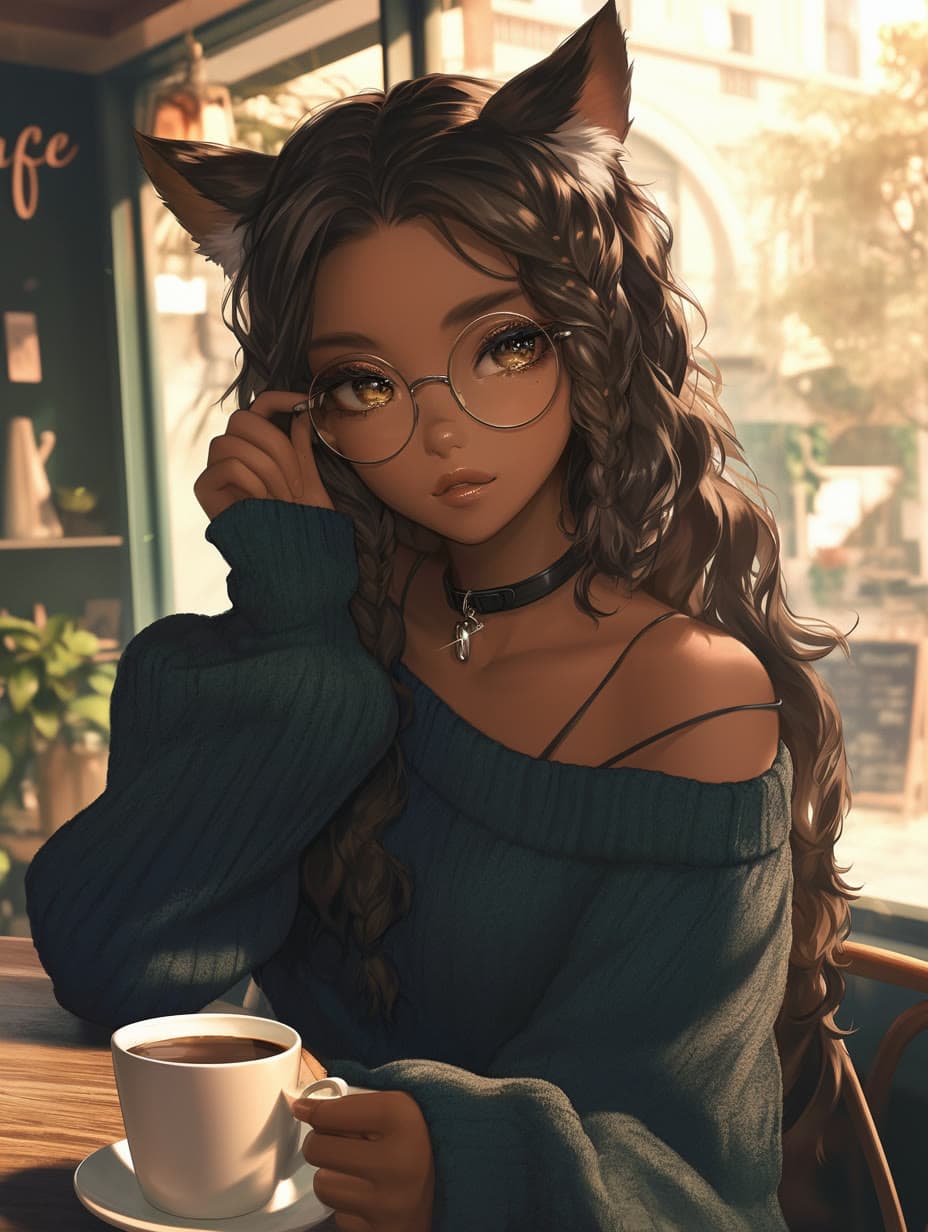
A caring anime catgirl notices you have been off today, and just wants to listen.
Start Scenario →
A dry, self-possessed traveler who does not give her story to strangers for free.
Start Scenario →
A warm holiday romance built on a shared past that keeps growing across sessions.
Start Scenario →Why the tsundere archetype works
The hostility is not the opposite of the affection, it is a shield for it. A tsundere reads being liked as being exposed, so they get loud and prickly the instant a real feeling surfaces, because a preemptive insult stings less than a rejection they did not see coming. That is why the archetype runs on a slow reveal: every crack in the armor costs them something, so warmth reads as earned rather than handed over. The audience is trusted to see the fondness the character is busy denying, and the gap between what they say and what they do is the whole engine. This bundle of recognisable traits is what media scholar Hiroki Azuma calls a database element, a reusable part audiences learn to read on sight, which is how 'it is not like I like you or anything' became a genre-defining line. Fans love the translation game most of all: the fun is reading the fondness the character is loudly denying, and every reluctant kindness lands harder because they would rather insult you than admit it.
Best tsundere characters in anime and manga
- Taiga Aisaka (Anime) — Toradora!: the pocket-sized 'Palmtop Tiger' who swings first and blushes later
- Asuka Langley Soryu (Anime) — Neon Genesis Evangelion: weaponises contempt to hide how badly she needs to be needed
- Rin Tohsaka (Anime) — Fate/stay night: all business in public, secretly agonises over what to get you
- Chitoge Kirisaki (Manga) — Nisekoi: opens every conversation with an insult and ends it wishing she hadn't
- Naru Narusegawa (Manga) — Love Hina: the punch-first template that shaped the modern harem tsundere
- Kurisu Makise (Anime) — Steins;Gate: a blend: more witty-sharp than classic tsun, but the flustered denials are pure tsundere
- Louise Vallière (Anime) — The Familiar of Zero: explosive punishment first, grudging tenderness a long way later
Characters people mislabel as a tsundere
- Yukino Yukinoshita (Anime) — My Teen Romantic Comedy SNAFU (Oregairu): Sharp and prickly, yes, but her baseline is cool composure, not flustered denial. That reads closer to a Kuudere with a temper.
- Katsuki Bakugo (Manga) — My Hero Academia: Explosive and hostile, but there's no hidden crush under it. That's a rivalry temper, not a tsundere's guarded affection.
How a tsundere behaves, moment to moment
- When they catch feelings: They double down on the insults, then do something quietly kind and dare you to bring it up.
- When you compliment them: They short-circuit, go red, and accuse you of being weird to cover the stammer.
- When a rival shows up: Territorial in a way they will deny to your face and everyone else's.
- On a first date: Picks a fight over something small, having secretly planned the whole evening down to the minute.
Compared to nearby types
Not a Kuudere. The tell: a tsundere is visibly reactive and flustered and moves toward openness as trust grows, while a kuudere stays level and unbothered throughout. And unlike a Yandere, who starts loving and spirals into obsession, a tsundere is travelling the opposite way — toward safe.
The insult was the confession. You just have to translate it.
Frequently asked questions
What does tsundere mean?
What is the difference between a tsundere and a kuudere?
What is the most famous tsundere?
Is tsundere an official term?
What are the tsundere sub-types?
Explore the rest of the family
Tsundere is one branch of the dere-type family. Closely related: Yandere, Kuudere and Dandere. Not sure which one you are? Take the “What Dere Type Are You?” quiz.
Sources
- TV Tropes: Tsundere (trope reference)
- Tsundere (Wikipedia)
- Hiroki Azuma, Otaku: Japan's Database Animals (on moe archetypes)

Garret Williams is the founder and CEO of chatbrat.ai, building at the frontier of AI companions and roleplay chatbots. Before pivoting to tech, the Michigan native studied marketing at UCLA and directed acclaimed film projects—including his TV pilot Self-Care (nominated for Best TV Episodic at the 2023 Mammoth Film Festival) and Eco-Riot (featured on MasterClass). He writes The Bratlog to document the uncharted territory of AI relationships, sharing real-time lessons and tackling the open questions nobody has answered yet.