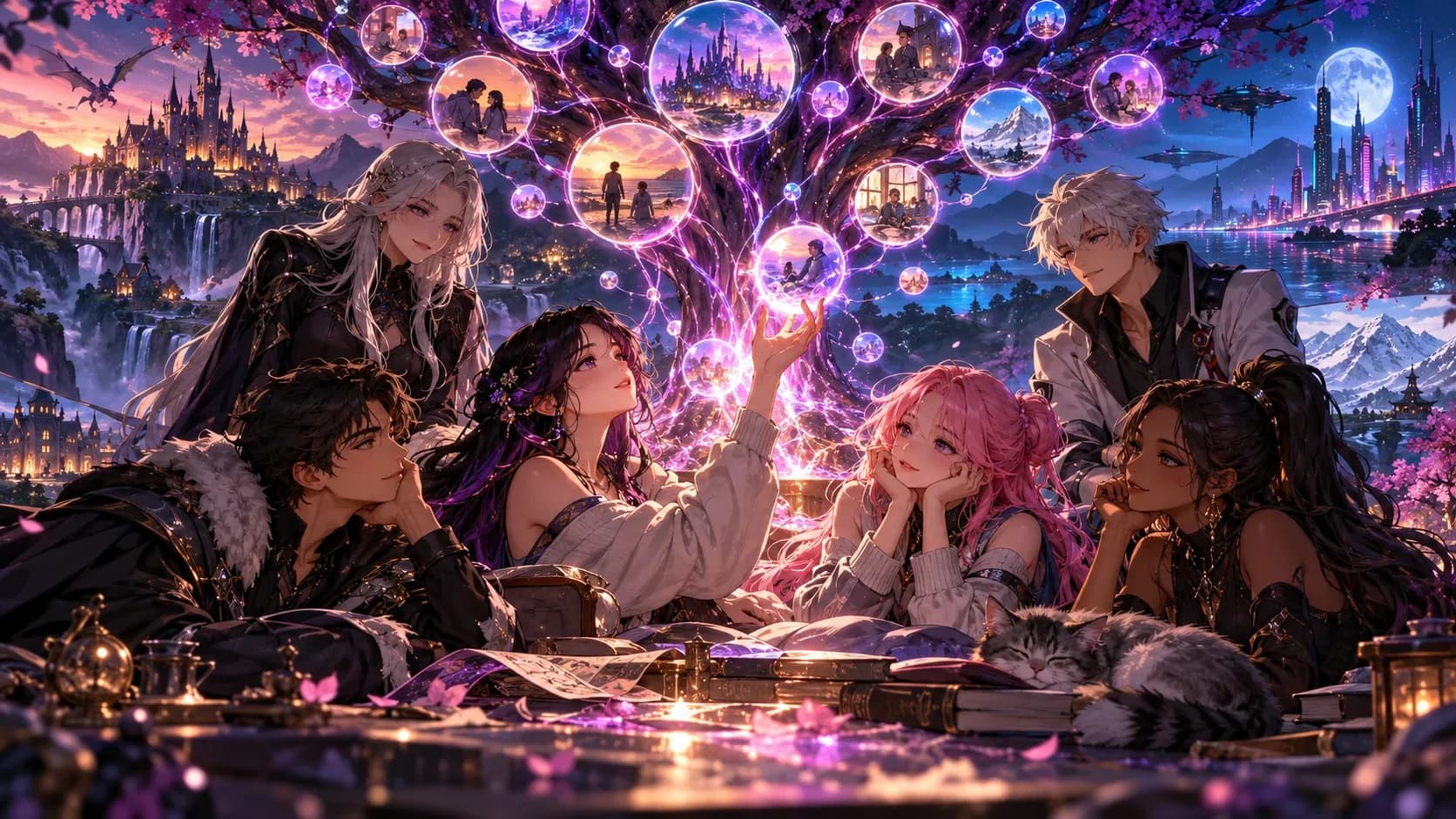

Quick answer: An AI avatar chat app pairs a conversational AI character with a visual identity — anything from an anime portrait to a 3D animated companion. In 2026 the avatar layer is everywhere; the real differences between apps are underneath it: memory, personality depth, and whether the free tier is usable. The short version of this guide: pick the brain first, the face second.
What “avatar” means across today's apps
The label covers three fairly different products:
Portrait-based character apps. The biggest category — platforms like Character AI, Talkie, and PolyBuzz, where each character has a static or lightly animated image and identity. The avatar is a face for the conversation, and the conversation is the product.
3D animated companions. Replika is the flagship: a customizable 3D figure that gestures and reacts, built around a single ongoing companion relationship. More visual presence, less character variety.
Character platforms with visual identity + deep chat. The middle path: characters with visual identity where the emphasis stays on personality, story, and continuity. ChatBrat sits here — every character has a face and identity, but the product is built around what a face can't give you: persistent memory, distinct voices, and worlds to share.
The uncomfortable truth about avatar apps
Here's what a month on any avatar chat app teaches you: the avatar carries the first day; the conversation carries every day after. The visual novelty is real, and it genuinely helps immersion early. But the reasons people abandon avatar apps are never about the graphics:
The character forgets everything — beautiful face, goldfish memory. On many big platforms, long-term memory is the paywalled feature while the avatar is free, which tells you what they think you'll pay for versus what actually retains you. (Why memory is the whole game.)
The personality is skin deep — a striking portrait attached to the same agreeable, interchangeable voice as every other character on the app.
The free tier is an ad gauntlet — several major avatar apps now run aggressive ad-paywalls, with lengthy video ads interrupting conversation.
Coin economies stack purchases on top of subscriptions for regenerations, voice clips, and images, making real monthly cost unpredictable.
So invert the usual shopping order. Instead of browsing avatars and hoping the chat is good, verify the chat and let the avatar be the bonus.
The 5-point checklist for choosing an avatar chat app
1. Memory on the free tier. Plant three facts, come back in a week, test recall. No detailed recall → the avatar is lipstick on amnesia.
2. Personality you can define. Can you create a character — voice, motivation, backstory — or only dress one? A real character creator is the difference between your companion and a template.
3. Honest free tier. Chat without ads mid-conversation, without a coin meter ticking. ChatBrat's conversations are ad-free on every tier.
4. Somewhere to go. Characters who can share stories and scenarios, join multi-character scenes, and accumulate history give the relationship a future beyond small talk.
5. Ownership. Export matters — 2026's purges and app-store takedowns hit avatar apps too, and characters you can't back up are characters you can lose.
A face is easy; a character who remembers you is rare.
Meet ChatBrat's characters or build your own — free.
Meet the characters →Frequently Asked Questions
What's the best AI avatar chat app in 2026?
Are AI avatar apps free?
Can I make my own avatar character?
Do avatars make the AI smarter?
A face is easy; a character who remembers you is rare. Meet ChatBrat's characters or build your own — free in your browser.

Garret Williams is the founder and CEO of chatbrat.ai, building at the frontier of AI companions and roleplay chatbots. A Michigan native who attended the UCLA School of Theater, Film and Television (TFT), he directed acclaimed film projects before pivoting to tech, including his TV pilot Self-Care (nominated for Best TV Episodic at the 2023 Mammoth Film Festival) and Eco-Riot (featured on MasterClass). He writes The Bratlog to document the uncharted territory of AI relationships, sharing real-time lessons and tackling the open questions nobody has answered yet.