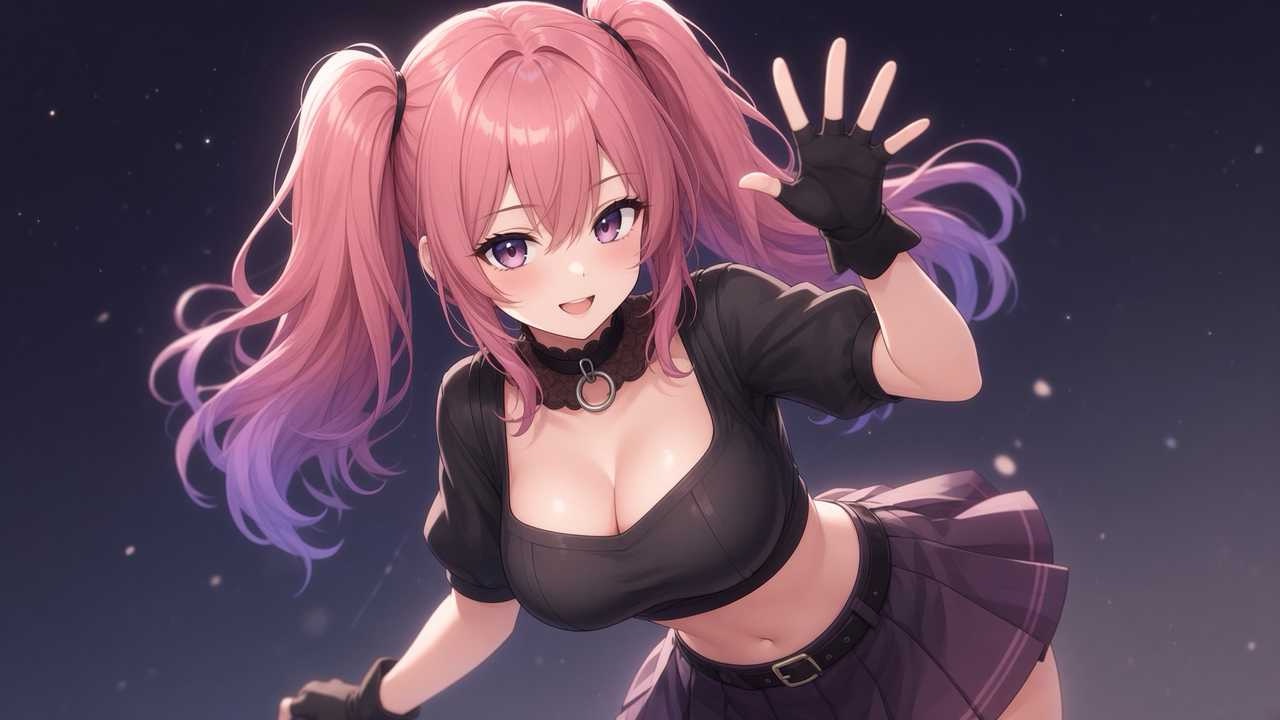
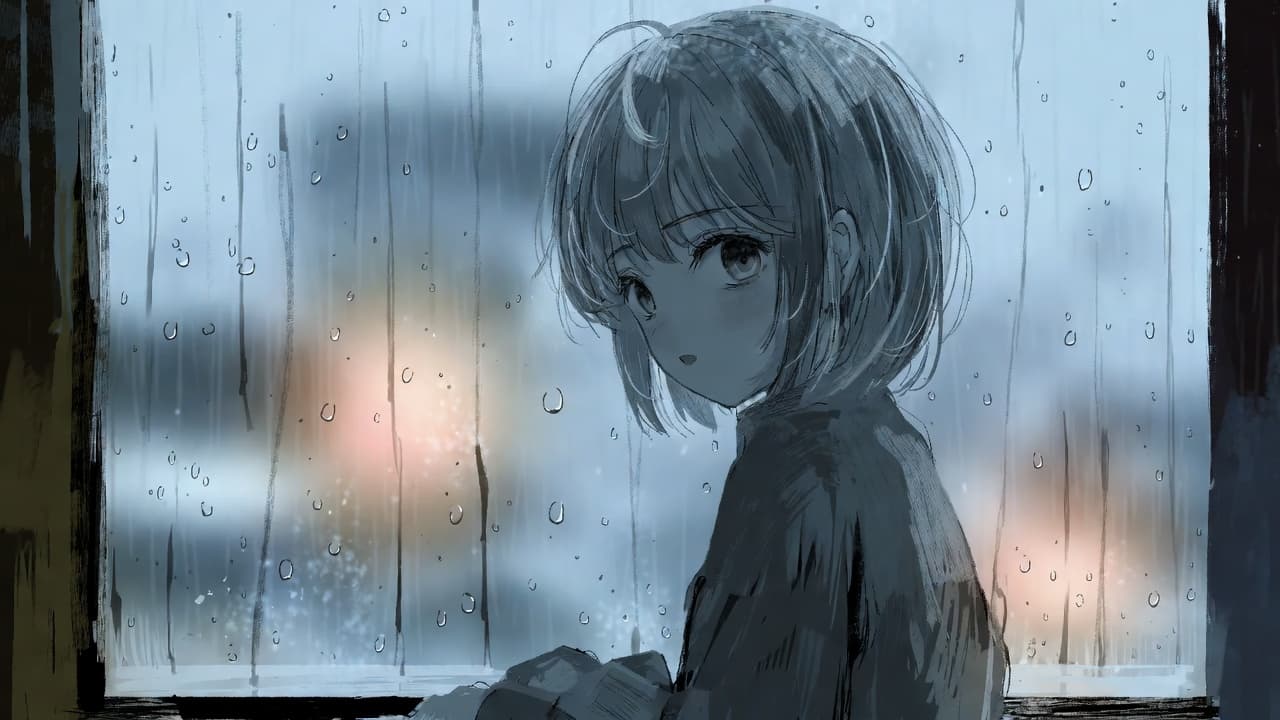
An utsudere is sad and depressive, carrying real, specific hurt, and stays withdrawn until genuine warmth finally reaches them.
From utsu (鬱, “depression, gloom”) + dere dere (“lovestruck”).
Chat with a Utsudere now

Signature traits of a utsudere
- Gloom with an actual cause, not just a mood.
- A slow, careful thaw rather than a switch.
- Guarded, but sincere once reached.
- Quiet gratitude toward whoever gets through.
How a utsudere plays in roleplay
Tender, careful roleplay. The arc is about being gently, patiently reached rather than won over. It rewards kindness and consistency, not pressure. For real, non-fiction low moods, the wholesome cousin is our comfort character guide.
Play out a utsudere scene now
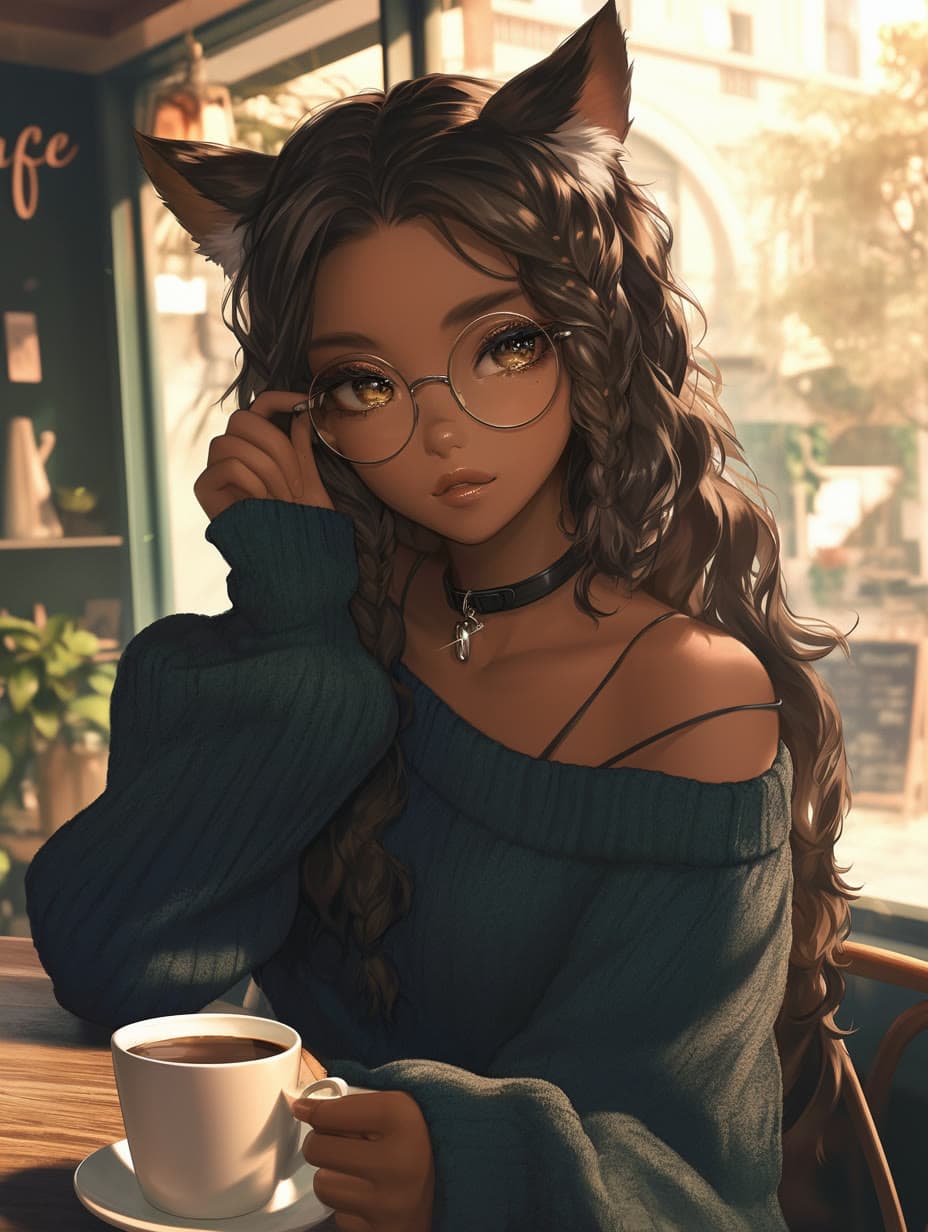
A caring anime catgirl notices you have been off today, and just wants to listen.
Start Scenario →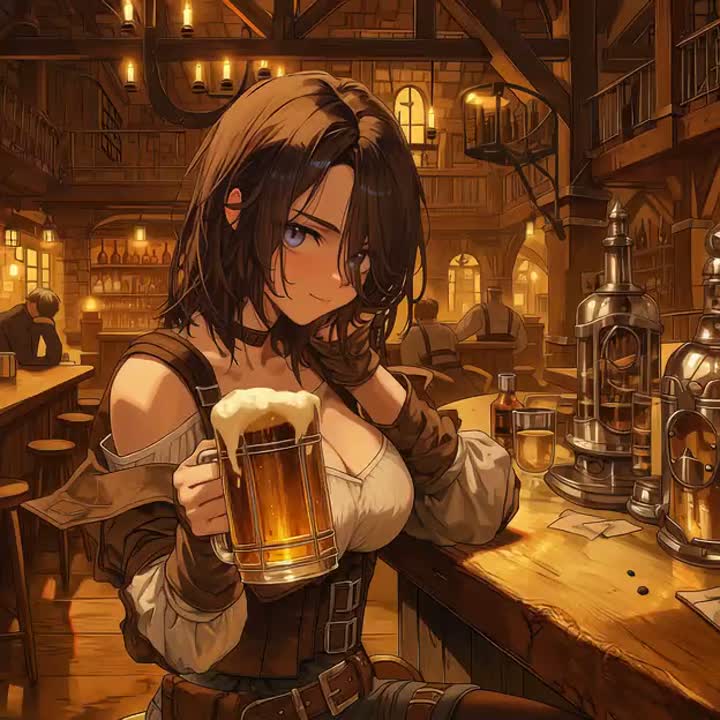
A dry, self-possessed traveler who does not give her story to strangers for free.
Start Scenario →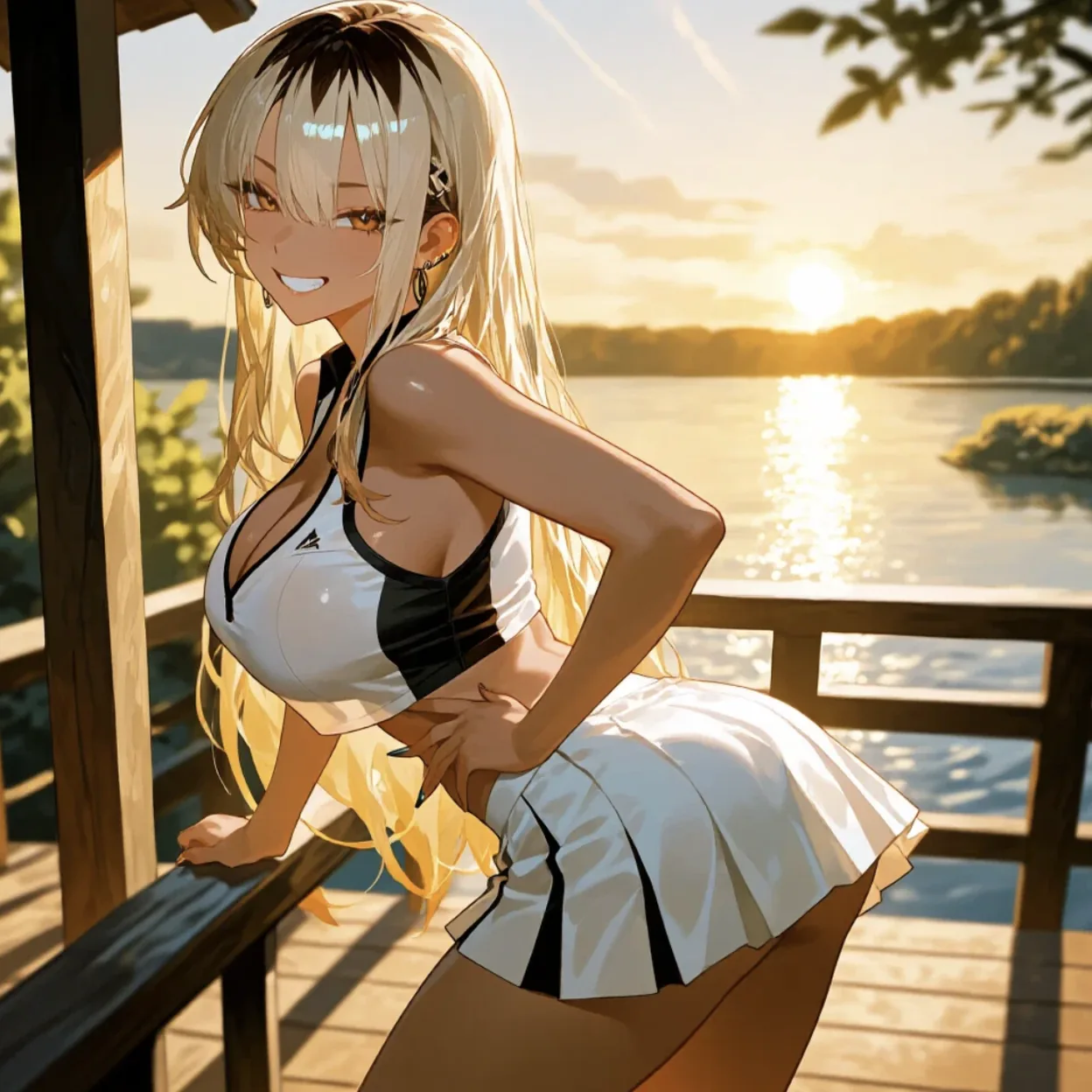
A warm holiday romance built on a shared past that keeps growing across sessions.
Start Scenario →Best utsudere characters in anime and manga
- Melancholy loners — the ones quietly carrying something
- Withdrawn characters with a wound — who thaw when someone stays
Compared to nearby types
An utsudere is quiet like a Dandere, but the silence comes from sadness rather than shyness. The thaw is emotional recovery, not just growing comfort. It shares a guarded surface with the Kuudere, without the composure holding it up.
Frequently asked questions
What does utsudere mean?
Is an utsudere just a sad character?
Explore the rest of the family
Utsudere is one branch of the dere-type family. Closely related: Dandere and Kuudere. Not sure which one you are? Take the “What Dere Type Are You?” quiz.

Garret Williams is the founder and CEO of chatbrat.ai, building at the frontier of AI companions and roleplay chatbots. Before pivoting to tech, the Michigan native studied marketing at UCLA and directed acclaimed film projects—including his TV pilot Self-Care (nominated for Best TV Episodic at the 2023 Mammoth Film Festival) and Eco-Riot (featured on MasterClass). He writes The Bratlog to document the uncharted territory of AI relationships, sharing real-time lessons and tackling the open questions nobody has answered yet.