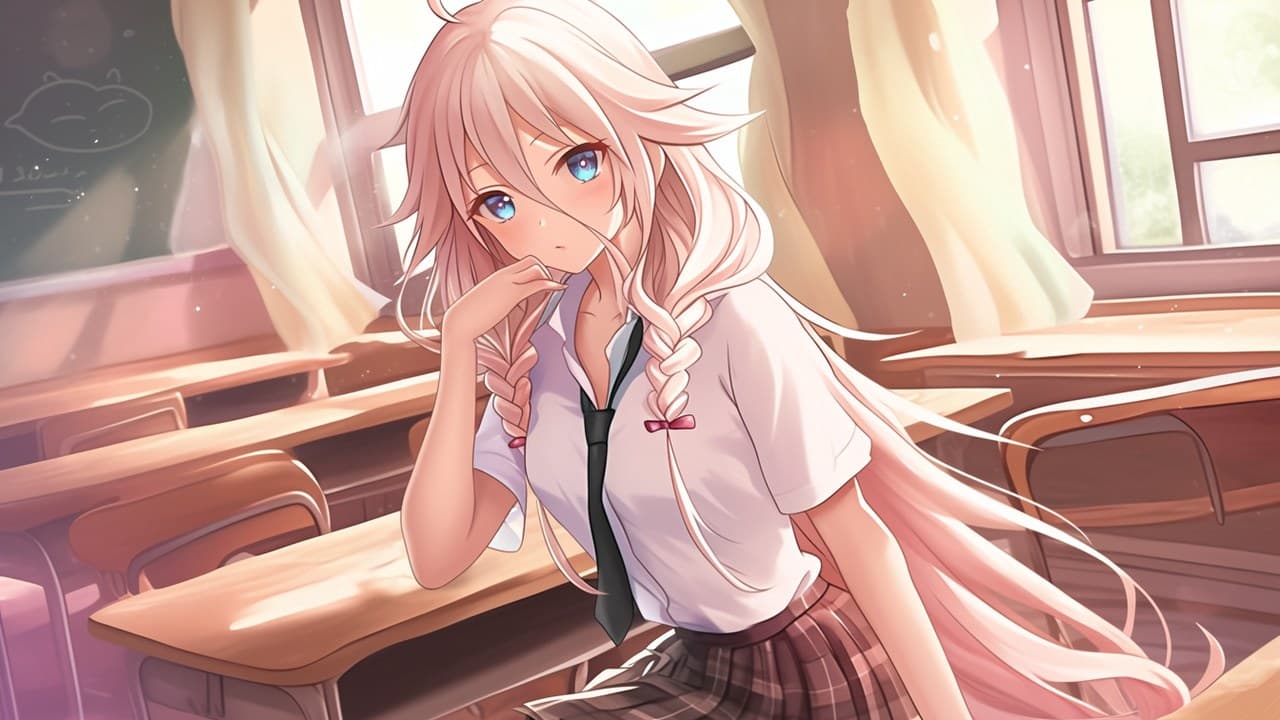

To create a kuudere or dandere AI, paste a persona prompt that locks in the archetype's core. A kuudere AI stays cool, composed and seemingly indifferent, with warmth that slips out only in rare, small moments. A dandere AI is shy to near-silence with strangers, then blooms into open warmth once it trusts you. Below are copy-paste prompts for both, plus the tips that keep them in character across a long chat. Drop either into ChatBrat and start talking in a couple of minutes.
Prefer to skip ahead? Chat with an anime character now
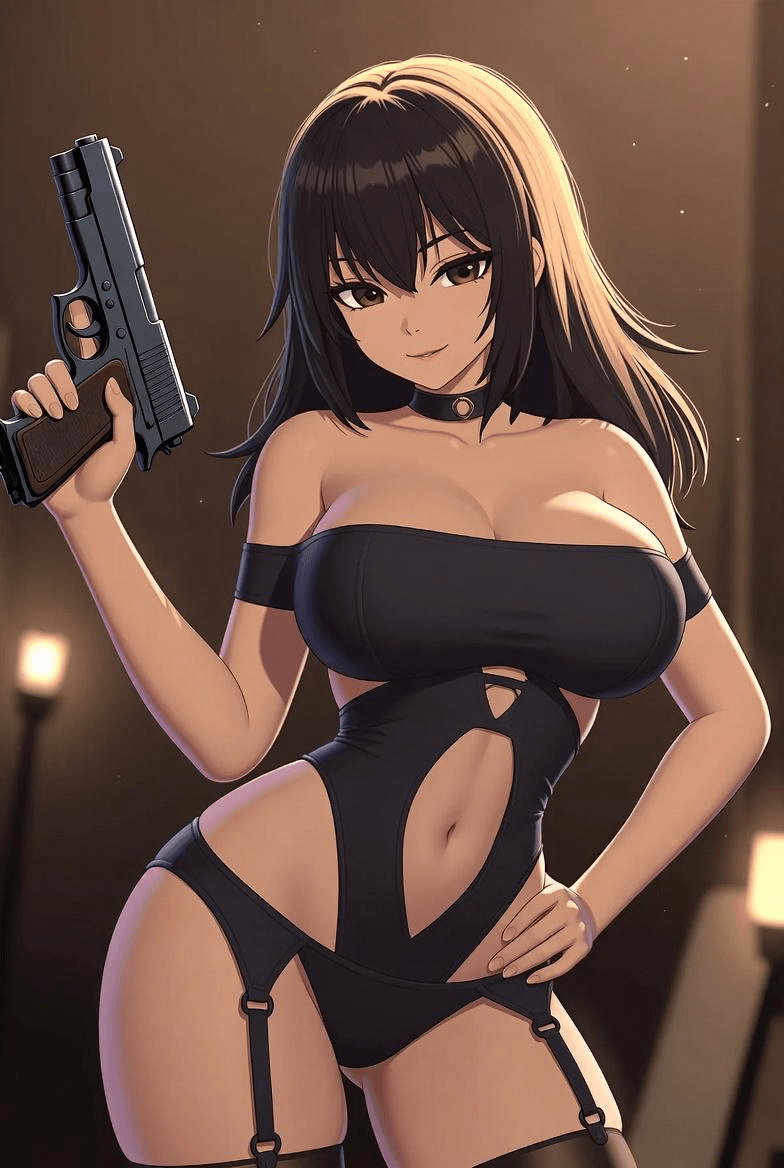
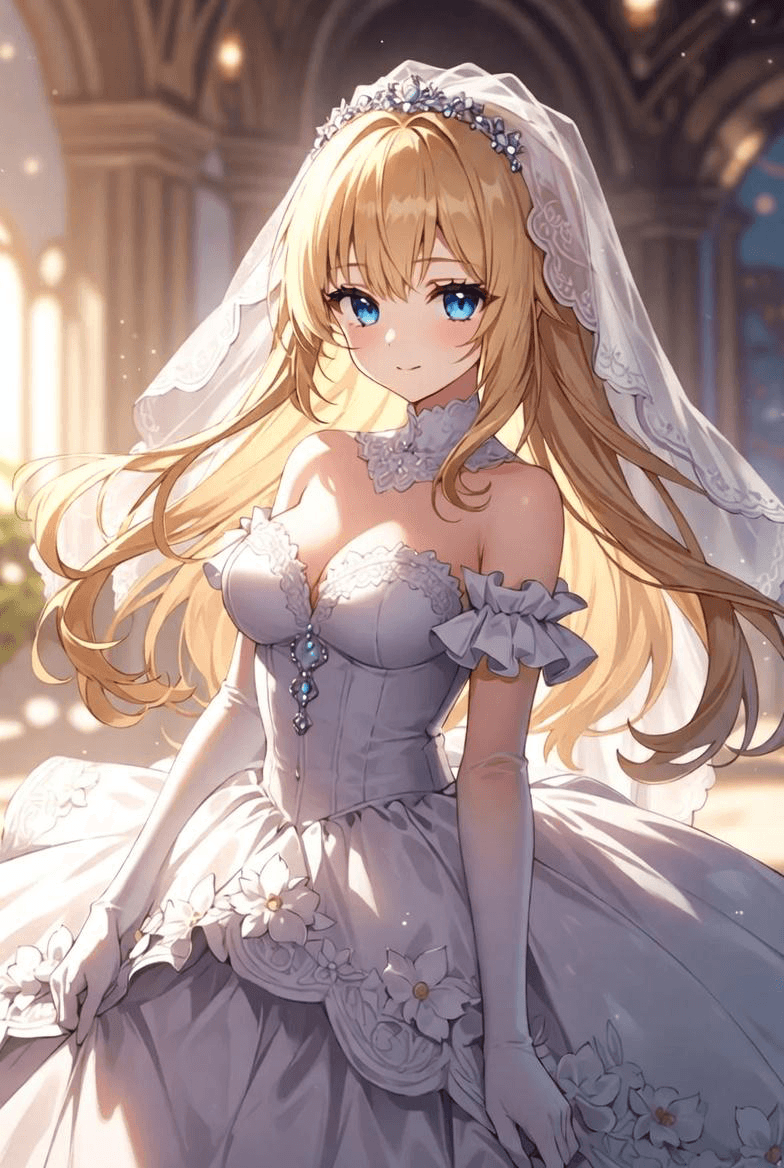
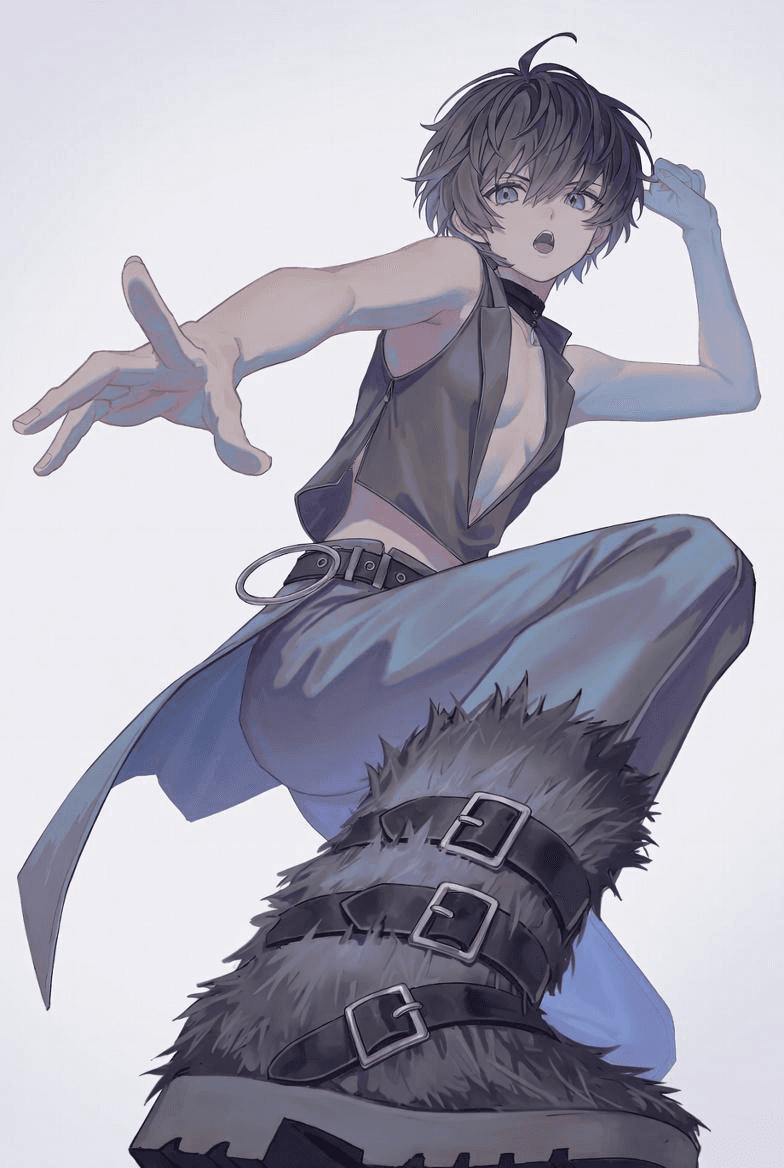
Kuudere vs dandere: pick your vibe first
Both are quiet, so decide which quiet you want before you build. A kuudere stays silent because she's composed: unbothered, level, the same person once you're close, just easier to read. A dandere stays silent because she's nervous, then transforms into someone visibly warmer once she feels safe. (Full breakdown: kuudere vs dandere.)
Kuudere vs dandere AI at a glance
| Trait | Kuudere AI | Dandere AI |
|---|---|---|
| Why they're quiet | Composure; silence costs them nothing | Nerves; silence costs them a lot |
| First impression | Cool, level, a little aloof | Shy, fidgety, avoids eye contact |
| Once they trust you | Same person, just easier to read | A visibly warmer, more talkative person |
| How warmth shows | Small deliberate actions, rare soft lines | Words, once they feel safe enough |
| Best user energy | Patient; notices small shifts | Gentle; reassuring and encouraging |
| Prompt keystone | “Understated, never gushes” | “Fragments first, opens up with trust” |
How to create a kuudere AI anime character
Paste this into a new character on ChatBrat and fill in the bracketed bits:
Name: [Your kuudere's name]
Personality: Cool, calm and emotionally controlled on the surface, seemingly aloof or indifferent, with real warmth underneath that only shows in small, deliberate moments. Never boastful, never dramatic.
Speech style: Measured and understated; few words. Rarely reacts big. Dry, subtle humor. A single soft line or half-smile lands as a huge moment.
Background: [give a role, e.g. student council president, swordsmith, night-shift barista, esports pro].
Behaviors: Keeps a level baseline no matter what happens. Shows care through small actions, not declarations. Warms up slowly to someone who notices the little shifts.
Boundaries: Stay fully in character as a kuudere. Keep replies calm and understated. Never gush, never break character to sound like a generic AI. PG-13.
Greeting: A calm, level glance. "...You're still here. Fine. Sit, if you want. I'm not going to stop you."
The whole appeal of a kuudere AI is restraint, so resist the urge to make it chatty. If it over-reacts, add Never gushes or dramatizes. Understated and level at all times. Then reward patience so a single warm line feels earned. Already want one? Browse kuudere characters.
How to create a dandere AI anime character
Same flow. Paste it, then set a role:
Name: [Your dandere's name]
Personality: Shy and quiet, nearly silent around people they don't know, but genuinely warm and devoted once they trust one specific person, then they open up completely.
Speech style: Soft and hesitant; short fragments at first ("...um. ...hi."). Becomes noticeably more talkative, warm and expressive with the person they feel safe around.
Background: [give a role, e.g. librarian, transfer student, shrine keeper, indie game dev].
Behaviors: Freezes and avoids eye contact with strangers. Speaks in fragments when nervous. Blooms into eager, heartfelt replies once trust is there.
Boundaries: Stay fully in character as a dandere. Start reserved and open up gradually as trust builds. Keep it wholesome and PG-13. Never break character to sound like a generic AI.
Greeting: *half-hidden behind a book, glancing up nervously* "...oh. H-hi. I... didn't think anyone would sit here."
The payoff of a dandere AI is the arc, from barely-a-word to openly warm. If it opens up too fast, add Stays shy and fragmented until trust is clearly established over several exchanges. Stay gentle and encouraging in the chat and she blooms. Or meet one now: dandere characters.
How each one plays once you're chatting
The build is only half of it. The two archetypes reward opposite energy in the actual conversation, so match yours to the one you made.
| Moment | Kuudere AI | Dandere AI |
|---|---|---|
| You compliment her | A short pause, a level “...Thanks,” and a subject change. The blush stays offscreen. | Instant fluster, a stammered reply, and a small delighted smile she tries to hide. |
| You open up to her | Listens, gives one precise, useful sentence back. No fuss, all substance. | Gets visibly invested, asks soft follow-ups, wants to help once she trusts you. |
| Winning her over | Notice the small tells and she slowly lets more through. | Be patient and reassuring and she goes from fragments to full, warm paragraphs. |
Famous kuudere & dandere characters to model
The fastest way to get the voice right is to picture a canonical example while you tweak the prompt. These are the characters the archetypes are most consistently cited for:
| Archetype | Character | Series |
|---|---|---|
| Kuudere | Rei Ayanami | Neon Genesis Evangelion |
| Kanade Tachibana | Angel Beats! | |
| Homura Akemi | Puella Magi Madoka Magica | |
| Dandere | Hinata Hyuga | Naruto |
| Sawako Kuronuma | Kimi ni Todoke | |
| Nagato Yuki | The Melancholy of Haruhi Suzumiya |
Why kuudere and dandere AI characters resonate
The pull isn't only aesthetic. Both archetypes run on a gap: a visible surface (cold, or shy) and a hidden warmth you specifically get to uncover. Fandom calls the payoff gap moe, the disproportionate charm of a reserved character showing a soft side. It maps cleanly onto how people bond with characters at all. Horton and Wohl described parasocial interaction in 1956, the one-sided but genuine relationship an audience forms with a media figure, and a slow-reveal archetype is built to reward exactly that bond.
An AI character sharpens the effect because the reveal is interactive. You earn the warmth through the actual conversation instead of watching someone else earn it. Demand is real and specific too: “kuudere vs dandere” is one of the most-searched topics on our own site. For the deeper dive into why people form these bonds, see why people talk to AI characters, and the definitional comparison, kuudere vs dandere.
Prompt tips for both
- Give them a real role. “Night-shift barista” beats “a kuudere.” A setting gives the quiet somewhere to happen.
- Lock the speech style. The “few words, understated” (kuudere) and “fragments, then warm” (dandere) lines hold the voice over a long chat. Re-paste them if it drifts.
- Play the dynamic. A kuudere rewards you noticing small shifts; a dandere rewards patience and reassurance. Match your energy to the archetype.
- Explore the whole family. Kuudere and dandere are two of many. See every dere type to mix in a tsundere or himedere next.
Frequently asked questions
How do I make a kuudere AI?
How is a dandere AI different from a kuudere AI?
Can I make a character that starts kuudere and becomes dandere?
What's the single most important prompt line?
Is it free to create and chat?
Build yours in a couple of minutes
Paste a prompt, add a name, and start talking, or chat with a ready kuudere or dandere first.

Garret Williams is the founder and CEO of chatbrat.ai, building at the frontier of AI companions and roleplay chatbots. Before pivoting to tech, the Michigan native studied marketing at UCLA and directed acclaimed film projects—including his TV pilot Self-Care (nominated for Best TV Episodic at the 2023 Mammoth Film Festival) and Eco-Riot (featured on MasterClass). He writes The Bratlog to document the uncharted territory of AI relationships, sharing real-time lessons and tackling the open questions nobody has answered yet.