ChatBrat vs DreamGen
DreamGen Alternative: Anime Characters and Memory
Quick answer
What is a good alternative to DreamGen in 2026?
DreamGen is built for long-form AI stories and RPGs: a long context window, a Scenario Codex that holds world and character facts, and uncensored adult fiction in private, with a SFW public catalog. It rewards people who want to author and run an elaborate narrative. ChatBrat is the switch if you want character-first anime roleplay that remembers you across sessions and pick-up-and-play scenario games, free to start and SFW by design, rather than sitting down to write a story.
- ✓ Humanistic memory that carries your story across sessions
- ✓ Anime-first character catalog you can open and chat immediately
- ✓ Scenario games with a real beginning, middle, and end
- ✓ Free to start, no subscription required up front
Characters waiting for you on ChatBrat
Free to start, no login. Signed-in chats remember your story across sessions. No ads in the middle of a scene.
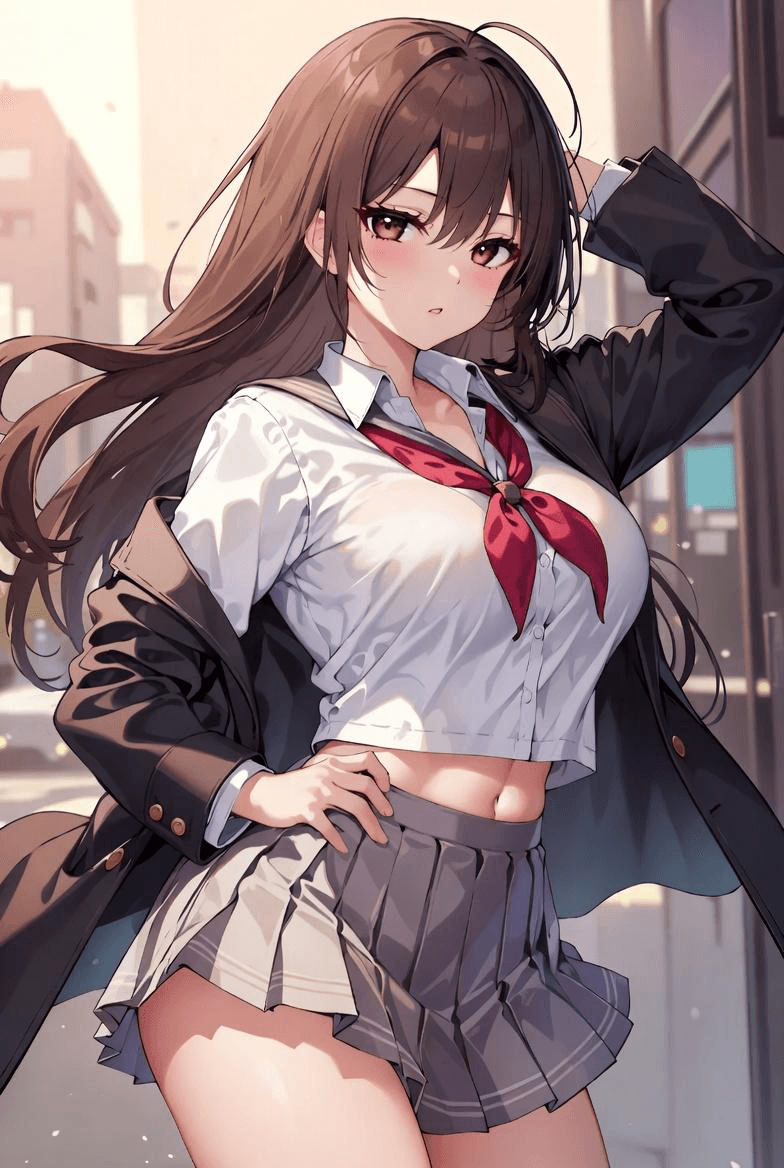
Aiko "Rei" Takahashi
A schoolgirl spy who runs cover stories and coded flirtation, with persistent memory that keeps her long con consistent across every session.
Chat free →
Maya Rivera
A sunny deredere lifeguard with real depth under the cheer. Warm and protective, she carries your slow-burn forward instead of resetting.
Chat free →
Tell Me What Happened
A soft, late-night comfort scene with Sophie, a caring anime catgirl who noticed you have been off today. Start it in your browser with no account.
Chat free →
Best Friend's Brother
Ryu has been in the background of your life for years, and something just shifted. A slow-burn forbidden romance whose history with you carries forward across sessions.
Chat free →ChatBrat vs DreamGen: side by side
| ChatBrat | DreamGen | |
|---|---|---|
| Getting started | ✓ Start chatting free in your browser. Pick a character and go, no setup. | Sign up, choose a model, and set up a story or scenario before you play. |
| Core focus | Character-first roleplay. Open a character and talk, or play a structured scenario. | Story-first. Built to write and run long narratives and RPG sessions. |
| Memory | Signed-in chats remember your story across sessions. Start in the browser with no account | Long context window plus a Scenario Codex for lore. Strong for holding a single long story, less companion-style recall of you over time. |
| Character library | ✓ Growing, curated, anime-first catalog you can browse and open immediately. | Few preset characters. You mostly bring your own cast into a story. |
| Content policy | SFW with a suggestive ceiling. Story-driven, never explicit. | Uncensored adult fiction in private stories; public catalog stays SFW. Age checks for sexual content tightened in some regions in 2026. |
| Scenario depth | Scenario games (Veiled Vows, Murder in the Mist) with suspects, evidence, and an ending. | Freeform story and RPG authoring with a lore codex. Powerful, but you build the structure. |
| Platform | ✓ Mobile-first web. No install. | Web app, oriented around a writing and story workspace. |
| Price | ✓ Everything free right now (beta). No paid tier yet. | Free tier with limits; subscription tiers unlock longer context and heavier use. |
What DreamGen does well
- +Purpose-built for long-form stories and RPG sessions rather than short chats.
- +Long context window keeps a single narrative coherent over many turns.
- +Scenario Codex holds world, character, and lore facts so the model stays consistent.
- +Uncensored adult fiction is allowed in private stories for users who want it.
- +Appeals to writers and game-masters who want to steer plot, not just chat.
Where users get frustrated
- –Story-first workflow feels like a writing tool, not a pick-up-and-play character app.
- –Few preset characters. You largely supply your own cast to get going.
- –Companion-style recall of you across sessions is not the focus; the memory is about the story.
- –Adult content faces region age checks that tightened in 2026, adding friction in some places.
- –Serious use leans on subscription tiers for longer context.
Should you switch from DreamGen?
- →You want to open a character and chat, not set up and author a story first.
- →You want an anime-first catalog to browse instead of building your own cast.
- →You want memory that remembers you across sessions, not just one long narrative.
- →You want a clean, SFW experience with structured games and a real ending.
Go deeper
Play a structured AI murder mystery game
Scenario games with suspects, evidence, and an ending, instead of a blank story editor you have to fill yourself.
How ChatBrat's long-term AI memory works
The technical deep-dive on how ChatBrat stores character facts and story continuity in persistent memory slots.
Character-first versus a story you have to write
The clearest way to place these two apps: DreamGen is a workspace for writing, and ChatBrat is a place to play. On DreamGen you set up a scenario, define the cast, and steer a long narrative, which is powerful if authoring is the goal. ChatBrat hands you finished characters and structured scenarios you can open and play in seconds. You are not building the scaffolding first. You pick a curated, anime-first character or a scenario game like Murder in the Mist, and the structure, the stakes, the suspects, and the ending are already there. Both are valid; the question is whether you want to author a story or step into one.
The engine underneath: psychology, universal rules, and scenarios
DreamGen leans on a long context window and a Scenario Codex so the model keeps your world facts straight while you write. ChatBrat leans on a character engine and a scenario engine instead. Every character carries a structured psychology, motivations, an archetype, boundaries, and a voice, and a set of universal behavior rules keeps them consistent and in character across any scenario you drop them into. The scenario engine gives structured stories real state and stakes, turn limits, evidence, and a solvable ending, rather than freeform text that drifts. We will not publish the internals, but the effect is the point: characters that stay themselves, and scenarios that behave like games, without you having to build the rules by hand.
Two kinds of memory: your story versus you
Both apps remember, but they remember different things. DreamGen's long context plus the Scenario Codex is built to hold a single narrative coherent over many turns, which is exactly what long-form authoring needs. ChatBrat's persistent memory is companion-style: it carries facts about you, your characters, and your relationship history across sessions, so a character you talked to last week still knows your story this week. If your goal is one long, self-contained story, DreamGen's approach fits. If your goal is characters that remember you over time and across scenarios, that is ChatBrat's lane.
Content and access: the honest trade
Two caveats worth stating plainly. On content, DreamGen allows uncensored adult fiction in private stories while keeping its public catalog SFW, and it tightened age checks for sexual content in some regions in 2026; ChatBrat is SFW with a suggestive ceiling by design and does not compete on uncensored writing. On access, DreamGen has a free tier with limits and sells longer context and heavier use through subscription tiers, while ChatBrat is in beta and free right now, with no ads or card to start in the browser. You can open a character and play a full scenario before deciding whether the character-first approach fits.
The bottom line
DreamGen is one of the best tools for people who want to write and run long AI stories, with a long context window and a lore codex to keep it all straight. If your goal is authored narrative or an RPG campaign, it earns its place. But it is story-first, ships few preset characters, and gates adult content behind region age checks. If you would rather open an anime character, keep persistent memory of your story, and play structured scenarios without writing the scaffolding yourself, that is the switch. Try ChatBrat free.
Try ChatBrat free →FAQ
What makes ChatBrat different from DreamGen?
ChatBrat is character-first and pick-up-and-play: open an anime character and chat, or play a structured scenario. DreamGen is story-first, built to author and run long narratives with a lore codex, which is a different workflow.
Is DreamGen uncensored?
DreamGen allows uncensored adult fiction in private stories, while its public catalog stays SFW, and it tightened age checks for sexual content in some regions in 2026. ChatBrat is SFW with a suggestive ceiling by design.
Which has better memory, ChatBrat or DreamGen?
They optimize for different things. DreamGen holds a single long story with a long context window and a Scenario Codex. ChatBrat keeps persistent, cross-session memory of you, your characters, and your relationship history.
Is ChatBrat free?
Yes, completely, right now. ChatBrat is in beta, so every feature is free with no ads and no paid tier yet.
Does ChatBrat do long-form stories like DreamGen?
ChatBrat focuses on character roleplay and structured scenario games rather than open-ended story authoring. For writing a long, freeform novel or RPG campaign, DreamGen is the more specialized tool.
Sources
- DreamGen (official) · story/RPG focus + context